Orion’s Belt Asterism: The Girdle of the Celestial Hunter
Even without our telescopes and binoculars, we can still enjoy the spectacle of our night sky. One crowd favorite is the Orion’s Belt Asterism. It is by far one of the easiest to identify in the sky. There are many interesting facts about this asterism that goes beyond time and culture, so let us dive deep into it.
The constellation of Orion is perhaps one of the most notable constellations that we can see in the night sky. We can easily see the celestial hunter because of the noticeable row of three stars in the center of this constellation. These three stars are called the Orion’s Belt asterism. By looking at the picture below, we can understand why it was given such a name. It is because it completes the bearing and clothing of the celestial hunter!
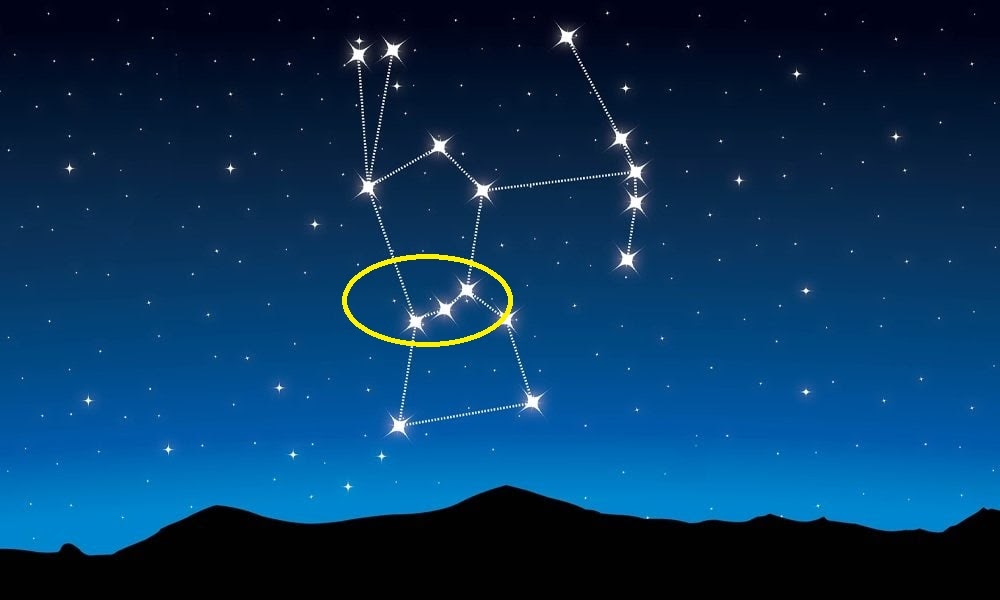
When Can We See Orion’s Belt?
The Stars of Orion’s Belt
Orion’s Belt is made up of three bright stars forming a straight line. It is believed that about ten million years ago, the belt stars were formed at around the same time. These bright stars were formed because of the molecular clouds in the Orion constellation. And what is amazing is that we can see all three in the naked eye!
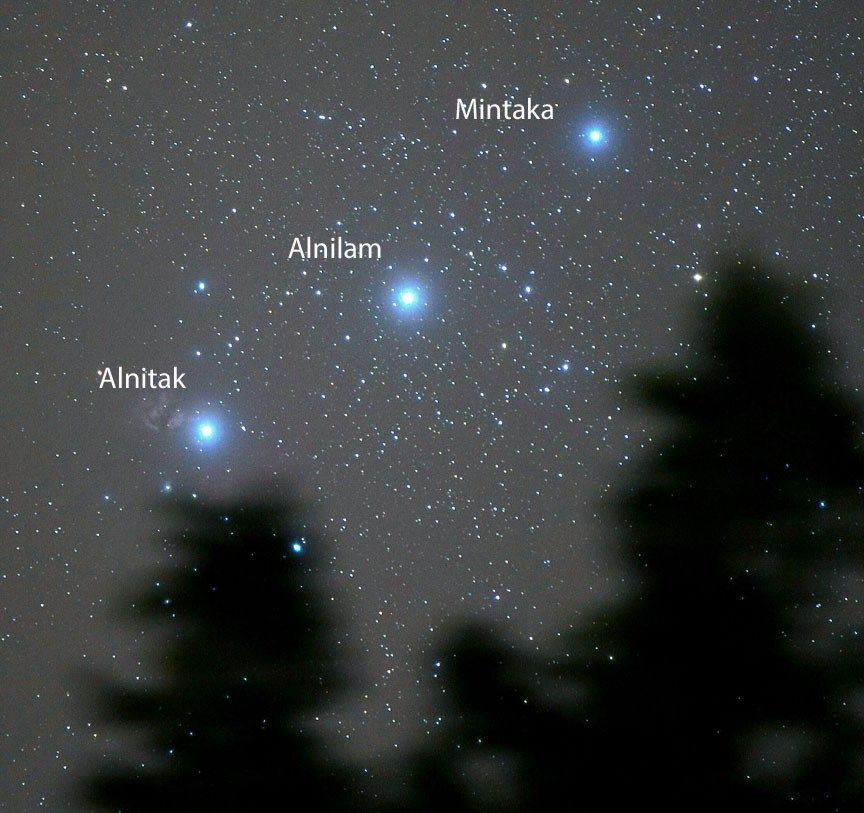
Orion’s Belt Asterism: The Girdle of the Celestial Hunter - The Planets


Komentar
Posting Komentar